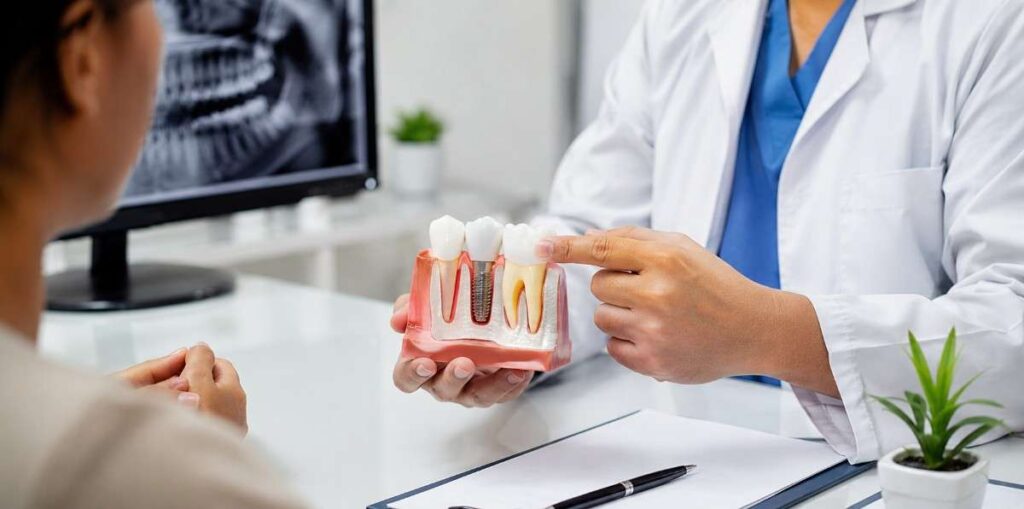
What Is a Dental Implant?
A dental implant is a titanium or zirconia post surgically placed into the jawbone to act as an artificial tooth root, onto which a crown, bridge, or denture is later attached. Unlike removable dentures, implants are designed to integrate with the jawbone through a process called osseointegration, offering a stable, long-term solution for missing teeth.
Why Implant Pricing Varies So Much
Unlike many standardized dental procedures, implant cost varies considerably between patients because no two cases are identical. A single missing tooth in a patient with healthy bone density involves a very different treatment plan than a patient needing multiple implants alongside bone grafting. This is why reputable clinics avoid quoting a fixed price without first conducting a clinical evaluation.
Key Factors That Affect Dental Implant Cost
Several variables shape the overall cost of your implant treatment:
Number of implants needed — Replacing a single tooth involves a different scope of treatment than replacing several teeth or supporting a full-arch restoration.
Implant material — Titanium implants are the most established option, while zirconia implants, often preferred for their tooth-like color, may involve different pricing.
Crown material — The visible portion of the implant, the crown, can be made from porcelain, zirconia, or porcelain-fused-to-metal, each with different costs and aesthetic qualities.
Bone grafting requirements— Patients with insufficient jawbone density may need a bone graft or sinus lift before implant placement, which adds to the overall treatment scope.
Diagnostic imaging — Pre-treatment imaging, such as a CBCT scan, helps plan implant placement precisely and is typically part of the diagnostic workup.
Complexity of the case — Factors like the implant’s location, proximity to nerves or sinuses, and overall oral health can affect surgical complexity.
Dentist’s experience and technology used — Clinics using advanced planning technology and experienced implant specialists may reflect this in their treatment pricing.
Follow-up visits and maintenance — Post-placement check-ups and any adjustments are generally part of a comprehensive treatment plan.
Single Implant vs Full Mouth Implants
A single tooth implant addresses one missing tooth and is generally the most straightforward implant case. Full mouth implant treatment, often using techniques like implant-supported bridges or All-on-4/All-on-6 concepts, replaces an entire arch of teeth using a smaller number of strategically placed implants. Full mouth cases involve more extensive planning, surgical time, and prosthetic work, which is reflected in the overall treatment scope.
Treatment Options: Types of Implants
Endosteal implants — placed directly into the jawbone, the most common type for patients with adequate bone density
Subperiosteal implants — placed under the gum but on or above the jawbone, sometimes used for patients who cannot undergo bone augmentation
All-on-4/All-on-6 implants — a full-arch solution using a limited number of implants to support a complete set of replacement teeth
Mini implants — smaller diameter implants sometimes used for specific cases, such as stabilizing a lower denture
Your dentist will recommend the most appropriate option based on your bone health, the number of missing teeth, and your overall treatment goals.
Who Is a Good Candidate for Implants?
Good implant candidates generally have healthy gums, adequate jawbone density, and no uncontrolled conditions that could impair healing, such as unmanaged diabetes. Smokers and patients with significant bone loss may still be candidates, but often require additional evaluation or preparatory treatment, such as bone grafting, before proceeding.
The Implant Treatment Journey
1. Initial consultation and examination, including a review of your dental and medical history
2. Diagnostic imaging, such as X-rays or a CBCT scan, to assess bone structure and plan implant placement
3. Treatment planning, where your dentist outlines the number of implants needed and any preparatory procedures
4. Implant placement surgery, performed under local anesthesia
5. Healing period, allowing osseointegration to occur before the final restoration is placed
6. Crown or prosthesis placement, completing the visible portion of your new tooth or teeth
7. Follow-up visits to monitor healing and implant stability
Recovery & Aftercare
Recovery after implant placement generally involves mild swelling or discomfort in the days following surgery, manageable with prescribed care. Patients are typically advised to eat soft foods initially, maintain good oral hygiene around the surgical site, and avoid smoking, which can impair healing. Full osseointegration takes time, and your dentist will schedule follow-up visits to confirm the implant is integrating properly before attaching the final crown.
Risks of Delaying Treatment
Delaying treatment for a missing tooth can lead to progressive bone loss in the jaw, since the bone requires stimulation from a tooth root to maintain its density. Over time, this can shift neighboring teeth, affect your bite alignment, and make future implant placement more complex, sometimes requiring bone grafting that wouldn’t otherwise have been necessary. Addressing missing teeth sooner generally simplifies the treatment process.
Prevention Tips for Long-Term Implant Success
– Maintain consistent daily brushing and flossing around the implant site
– Attend regular dental check-ups and professional cleanings
– Avoid using implants to bite excessively hard objects
– Address teeth grinding (bruxism) with your dentist, as it can affect implant longevity
– Avoid smoking, which is associated with higher implant complication rates
Frequently Asked Questions
1. How much does a single dental implant cost in Kothapet?
Cost depends on individual factors like implant material, crown type, and whether bone grafting is needed. A personalized estimate is provided after a clinical evaluation and imaging.
2. What is the dental implant cost near Nagole and surrounding areas?
Pricing structures are generally similar across nearby areas served by the same clinic, though it’s best to confirm directly, as promotional offers or logistics can vary by location.
3. What is the full mouth implant cost in Hyderabad?
Full mouth implant treatment involves more implants and prosthetic work than a single tooth replacement, so cost is assessed based on your specific full-arch treatment plan.
4. Does insurance cover dental implants?
Coverage varies by insurance provider and policy. It’s best to check directly with your insurer regarding coverage for implant procedures.
5. Are dental implants painful?
Most patients report only mild discomfort managed with prescribed pain relief, as the procedure is performed under local anesthesia.
When Should You See a Dentist?
Consider scheduling a consultation if you have one or more missing teeth, are experiencing difficulty chewing, notice shifting of neighboring teeth, or currently wear a removable denture and are exploring more permanent alternatives. An evaluation with imaging is the only reliable way to understand your specific candidacy and treatment plan.
Why Choose Smile Care Dental Hospital?
At Smile Care Dental Hospital in Kothapet, our dental team combines experienced clinical judgment with modern diagnostic technology to plan implant treatment tailored to each patient’s specific oral health needs. We prioritize thorough evaluation and clear communication about your treatment plan and associated costs, so you can make an informed decision without pressure. Our approach focuses on patient education first, helping you understand your options before any treatment recommendation is made.
Conclusion
Dental implant cost in Kothapet depends on a range of individual factors, from the number of implants needed to whether bone grafting is required, rather than a single fixed price. Understanding these factors can help you approach your consultation with realistic expectations and better questions. If you’re considering dental implants, we encourage you to schedule a consultation with our team at Smile Care Dental Hospital for a personalized evaluation and treatment plan.
This article is intended for general informational purposes and does not replace professional dental advice. Please consult a qualified dentist to discuss your individual diagnosis and treatment options.