When Should a Child First Visit the Dentist?
Most pediatric dental associations recommend scheduling your child’s first dental visit by their first birthday, or within six months of their first tooth erupting, whichever happens first. This might feel surprisingly early to many parents, especially since babies at this age have only a few teeth, but this timing is intentional and evidence-based.
Why Early Dental Visits Matter
Starting dental visits early serves several important purposes beyond simply checking for cavities:
– Establishing a dental home — Your child becomes familiar with visiting the dentist as a normal, routine part of healthcare, reducing anxiety for future visits
– Early detection of developmental issues — Dentists can identify early signs of decay, bite issues, or developmental concerns before they become more significant
– Parent education — Early visits give parents practical guidance on brushing technique, teething, thumb-sucking habits, and diet’s role in dental health
– Building trust gradually — Early, low-pressure visits help children build comfort with the dental environment over time, rather than a first stressful visit occurring during an emergency
Signs Your Child May Need an Earlier Visit
While the general guideline is around the first birthday, certain signs warrant an earlier evaluation:
– Visible discoloration or spots on emerging teeth
– Signs of pain or discomfort when eating or during teething
– Injury to the mouth, teeth, or gums
– Prolonged thumb-sucking or pacifier use as your child gets older
– Concerns about tooth alignment as more teeth emerge
How to Prepare Your Child for Their First Visit
Use Positive, Simple Language
Avoid words like “pain,” “hurt,” or “shot,” even if you’re trying to reassure. Instead, describe the visit simply, “The dentist will count your teeth and help keep them healthy.”
Read Books or Watch Videos About Dentist Visits
Age-appropriate books or videos about visiting the dentist can help familiarize your child with what to expect in a fun, low-pressure way.
Practice at Home
Let your child “count” your teeth with a soft toothbrush or mirror, turning it into a playful activity that mirrors what happens at the clinic.
Schedule at a Good Time of Day
Choose an appointment time when your child is typically well-rested and not due for a nap, reducing the chances of a tired, cranky visit.
Stay Calm and Positive Yourself
Children often pick up on parental anxiety. Approaching the visit with calm, matter-of-fact confidence helps set the tone.
What Happens During the First Dental Visit
For most toddlers, the first visit is brief and gentle, generally including:
- A warm welcome and introduction to help your child feel comfortable in the new environment
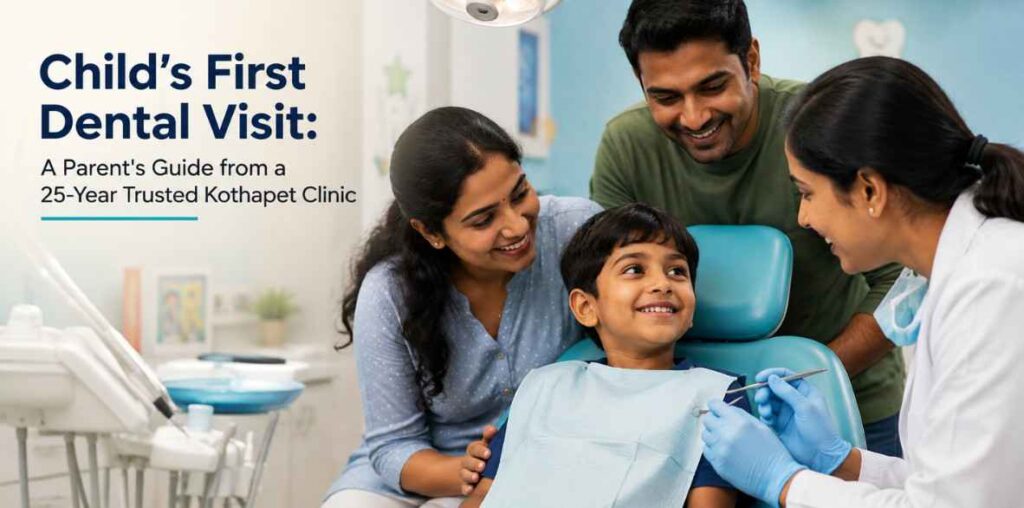
- A gentle examination of the teeth, gums, and jaw, often with your child sitting on your lap for younger toddlers
- A discussion with parents about oral hygiene, teething, diet, and any specific concerns
- Guidance on brushing technique appropriate for your child’s age
- A general overview of what to expect as more teeth emerge
Extensive procedures are rarely part of a first visit unless a specific concern is identified. The goal is familiarity and assessment, not intervention.
Milk Teeth Care Tips for Parents
– Start cleaning gums even before teeth appear , using a soft, damp cloth after feedings
– Begin brushing as soon as the first tooth emerges , using a small, soft-bristled toothbrush and a rice-grain-sized amount of fluoride toothpaste
– Avoid putting your child to bed with a bottle containing milk or juice, as prolonged exposure can contribute to early childhood decay
– Limit sugary snacks and drinks , encouraging water between meals
– Supervise brushing until your child has the coordination to brush effectively on their own , typically around age 6-7
– Schedule regular follow-up dental visits , typically every six months, to monitor development
Who Benefits Most from Early Dental Care?
All children benefit from early, preventive dental visits, but they’re especially valuable for children with a family history of early decay, those with visible teething or eruption concerns, and children who may have habits like prolonged pacifier or thumb use that could affect developing teeth and bite alignment.
What to Expect as Your Child Grows
As your child grows and gains more teeth, dental visits typically become more comprehensive, potentially including gentle cleaning, fluoride application, and monitoring of bite and jaw development. Regular six-month check-ups help catch and address any concerns early, when treatment tends to be simpler.
Risks of Delaying the First Visit
Waiting too long for a first dental visit can mean early decay or developmental concerns go unnoticed until they’ve progressed further, sometimes requiring more involved treatment than would have been needed with earlier detection. Additionally, a child’s first dental experience happening later, sometimes during an emergency or painful situation, can contribute to dental anxiety that persists into later childhood.
Prevention Tips for Healthy Milk Teeth
– Maintain consistent brushing twice daily once teeth emerge
– Limit sugary foods and drinks, particularly between meals
– Avoid prolonged bottle use, especially at bedtime
– Encourage water as the primary between-meal beverage
– Keep up with regular six-month dental check-ups
– Address thumb-sucking or pacifier habits with your dentist’s guidance if they persist past toddlerhood
Frequently Asked Questions
- When should a child first visit the dentist?
Most guidelines recommend a first visit by your child’s first birthday or within six months of their first tooth appearing, whichever comes first.
- How do I find the best pediatric dentist in Kothapet?
Look for a clinic experienced in treating young children, with a gentle, patient approach and a welcoming environment designed to make kids comfortable.
- How do I prepare a toddler for a dental visit?
Use positive, simple language, practice at home with a toothbrush and mirror, choose a good time of day, and stay calm yourself, since children often mirror parental anxiety.
- What happens if my child cries during their first dental visit?
This is common and generally well-handled by pediatric-experienced dental staff. A brief, gentle approach on the first visit helps build comfort for future appointments.
- Do milk teeth really need dental care since they’ll fall out anyway?
Yes, milk teeth play an important role in chewing, speech development, and holding space for permanent teeth, making their care important despite being temporary.
When Should You See a Dentist?
Schedule your child’s first visit by their first birthday, or sooner if you notice discoloration, pain, injury, or other concerns with their emerging teeth. Afterward, follow up with regular six-month check-ups to support ongoing healthy development.
Why Choose Smile Care Dental Hospital?
At Smile Care Dental Hospital in Kothapet, our team brings over 25 years of experience creating positive, low-pressure dental experiences for young children and their families. We take time to explain each step to both parents and children, using a gentle, patient approach designed to build comfort rather than anxiety. Our team combines modern pediatric dental care with genuine warmth, helping your child develop a positive relationship with dental visits from the very start.
Conclusion
Your child’s first dental visit is an important, though often overlooked, milestone in building lifelong oral health habits. Starting early, around their first birthday, and approaching the visit with positive preparation can make a meaningful difference in how your child experiences dental care throughout childhood. If you’re ready to schedule your child’s first visit, we encourage you to reach out to our team at Smile Care Dental Hospital in Kothapet, where we’re committed to making this milestone a comfortable, positive experience for your whole family.